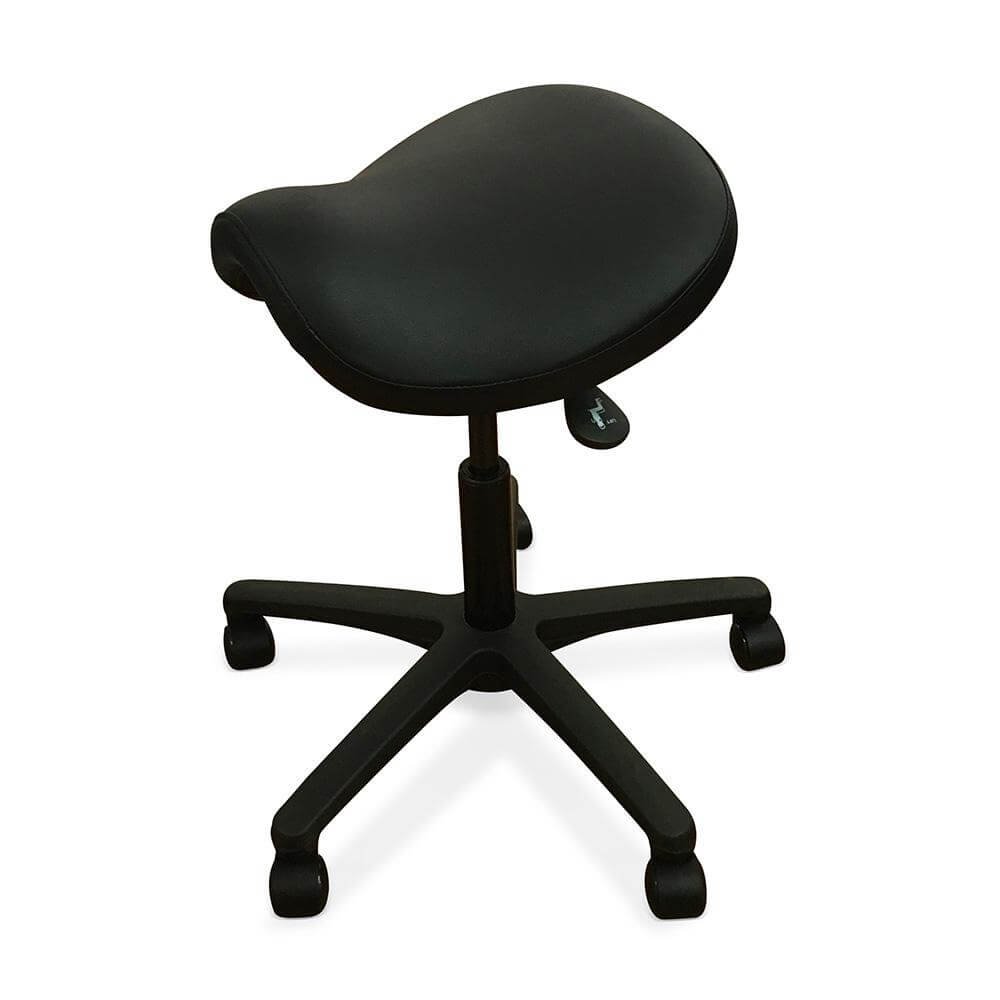
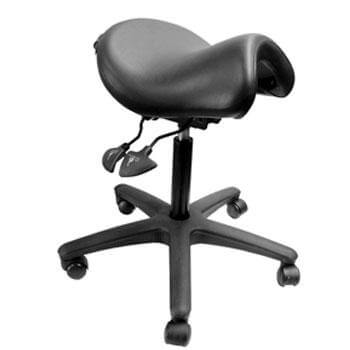
Saddle Chairs

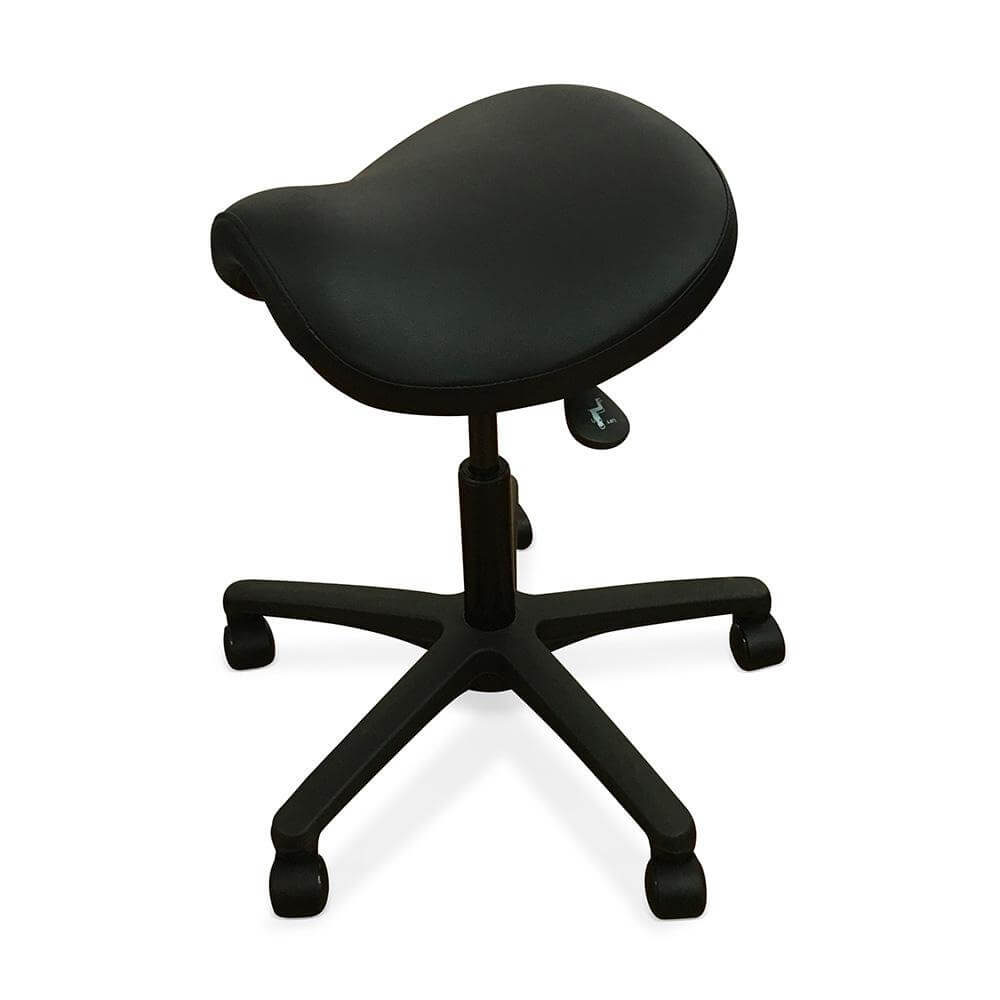
Saddle chairs put you halfway between sitting and standing. Your thighs slope down, your hips open up, and your pelvis tilts forward so your lower back keeps its natural curve. They suit people who lean in to their work, such as dentists, clinicians, lab and workshop staff, and those working at a sit-stand desk. Not sure which one suits you? Call us on 03 9888 6677 and we'll help you choose.


Which saddle chair is right for you?

Model Seat Adjustment Weight rating Price range Best for
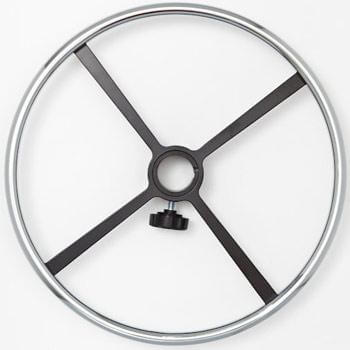
Ergo Saddle Chair One-piece contoured vinyl seat Height and seat tilt; optional longer gas lift and footring – Budget A first saddle chair, or shared clinic and workshop use
Norj 4D Active Saddle Stool Generous 450 x 360 mm seat Height 580–835 mm; seat moves with you in four directions 150 kg Mid-range People who like to keep moving while they sit
Humanscale Pony Saddle Compact triangular cushion, 405 mm wide Height control at each corner of the seat – Mid-range Perching at standing desks and counters
Bambasic Saddle Chair Four seat sizes, black vinyl, no backrest Height and seat tilt 200 kg Mid-range Bambach comfort at a lower price
Bambach Saddle Chair Four seat sizes, choice of fabric and colour, optional backrest Height and seat tilt 200 kg Premium All-day clinical and office use

How to choose

  1. Get the seat size right. The Bambach and Bambasic come in Small, Medium, Narrow and Large seats. Both are made to order and can't be returned.
  2. Check your work height. You sit noticeably higher on a saddle chair than on a standard office chair. Most people pair one with a height adjustable desk or a raised bench.
  3. Match the height range to your bench. For tall benches and standing desks, choose the Norj (seat up to 835 mm) or add the longer gas lift to the Ergo Saddle.
  4. Decide on a backrest. Saddle chairs are designed to work without one. The Bambach offers a backrest as an option if you like something to lean on between tasks.
  5. Give yourself time to adjust. Start with an hour or two a day and build up over time. Your core muscles are doing more of the work than they're used to.

Frequently Asked Questions

What is a saddle chair?

A chair with a saddle-shaped seat that lets your legs slope down either side, so you sit with open hips and an upright back, closer to standing than sitting.

Who uses saddle chairs?

Dentists, hygienists, physiotherapists, hairdressers, lab and workshop staff, and office workers with sit-stand desks: anyone who needs to sit close to their work and move around it.

Can I sit on a saddle chair all day?

Many people do once they've adjusted. Build up gradually, and alternate with standing if you have a sit-stand desk.

Do I need a special desk?

Usually you need a higher work surface than a standard desk. See our height adjustable desks.

Are saddle chairs good for back pain?

Many people with lower back discomfort find the open hip angle more comfortable than a standard chair, but everyone is different. If you have a back condition, check with your physio.

x